




Build the RFQ Around the Actual Product
A famous city name does not guarantee the right factory. We use the cluster only as the starting point, then match construction, process, quantity, quality systems and commercial fit to the buyer’s exact requirement.
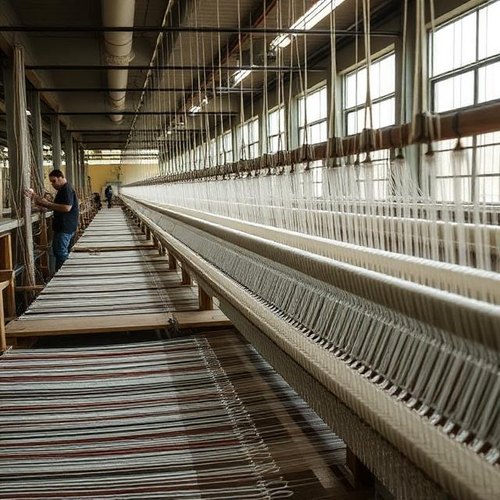
What to Put in the Sourcing Brief
- Product and construction first
- Required process: weaving, tufting, knitting, dyeing, printing, sewing, filling or finishing
- Order quantity and SKU mix
- Material/fibre source
- Sample and development capability
- Quality-control and testing requirement
- Packing and consolidation requirement
- Lead time and repeat-order capability
- Buyer-required compliance or documentation
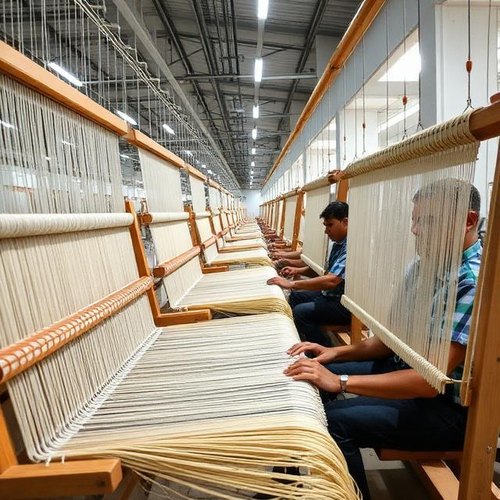
Quality Control Should Match the Construction
Cluster selection and factory approval are separate decisions. Even inside a strong manufacturing region, suppliers differ in machinery, process control, development ability, documentation, capacity and product focus. A supplier should therefore be checked against the actual program rather than approved by location alone.
Supplier & Cluster Fit
Primary operating base for Consou and a strong practical starting point for rugs, floor textiles, blankets, throws, cushions and other furnishing made-ups, depending on supplier capability.
Connected specialist sourcing can be relevant for selected carpet and rug constructions when those ecosystems better fit the product.
Can be relevant where yarn, knitting, fabric or specialist processing capability matches the program.
These regions may enter the sourcing chain for particular materials, processing, articles or established industry connections. We present them as connected sourcing options rather than claiming every product is locally supervised from Panipat.
Home Textile Clusters Sourcing FAQs
Do you source only from Panipat?
No. Panipat is the strongest operating base, but product-specific sourcing can extend to connected specialist clusters when the construction or process requires it.
Why not choose suppliers only by city?
Factories in the same city can have very different machinery, product focus, quality systems, MOQ and development ability. The product specification should determine supplier selection.
Can one order use more than one manufacturing region?
Yes. Fabric, processing, sewing, filling, accessories or final assembly can involve connected suppliers when that is commercially and technically appropriate.
How do you reduce the risk of multi-cluster sourcing?
Use a clear specification, approved samples, defined responsibilities, checkpoints, documentation and final inspection/packing controls appropriate to the order.
Send a Defined Requirement
Send the product, construction, material, quantity and target market. We can decide whether Panipat or a connected specialist cluster is the better starting point.